
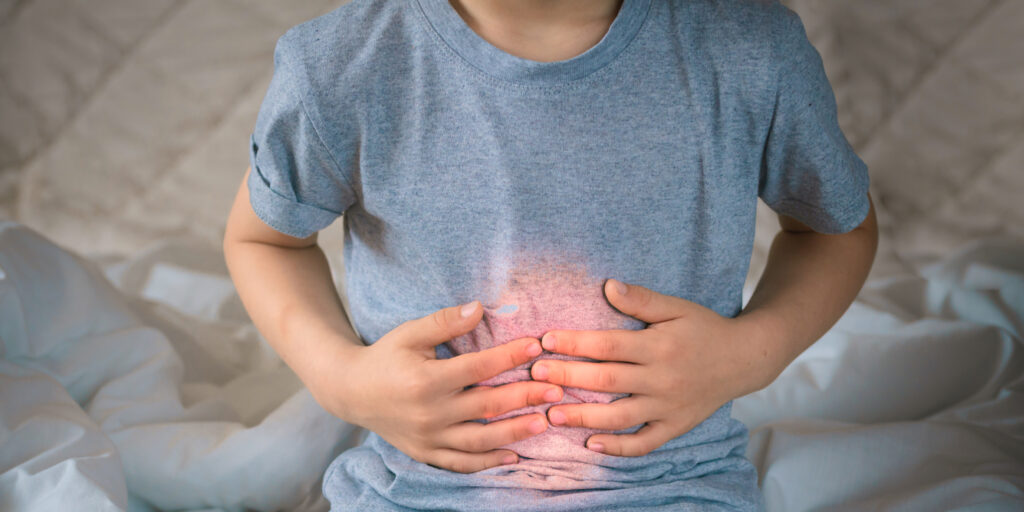
Stomach pain is one of the most common reasons children visit the school nurse or stay home from class. While occasional stomachaches can be related to stress or nervousness, persistent or recurring abdominal pain may sometimes indicate an underlying gastrointestinal condition. Because emotional stress and digestive health are closely connected, it can be difficult for parents to know when symptoms are anxiety-related and when further medical evaluation is necessary.
Understanding the relationship between the gut and the brain can help families recognize when stomach pain deserves closer attention.
The Gut-Brain Connection in Children
The digestive system and the brain communicate constantly through what is known as the gut-brain axis. Stress, anxiety, and emotional changes can affect how the digestive tract functions, leading to real physical symptoms.
Children experiencing stress related to:
- School performance
- Social situations
- Testing or academic pressure
- Schedule changes
may develop symptoms such as:
- Abdominal pain
- Nausea
- Changes in bowel habits
- Bloating or loss of appetite
These symptoms are real and can significantly impact daily life.
When Stomach Pain May Be Functional
Many children with school-related stomach pain are diagnosed with functional gastrointestinal disorders, meaning symptoms occur without visible structural disease. Common functional conditions include:
- Functional abdominal pain
- Irritable bowel syndrome (IBS)
- Functional dyspepsia
In these cases, the digestive tract may appear normal on testing, but the child experiences heightened sensitivity or altered gut function.
Symptoms often worsen during stressful situations and improve during weekends, holidays, or breaks from school.
Signs That May Suggest an Underlying GI Condition
Although stress and anxiety can contribute to stomach pain, certain symptoms may indicate an organic gastrointestinal disorder that requires further evaluation.
Parents should seek medical attention if abdominal pain is accompanied by:
- Weight loss or poor growth
- Persistent vomiting
- Blood in the stool
- Chronic diarrhea or constipation
- Pain that wakes a child from sleep
- Difficulty swallowing
- Ongoing fatigue
These “red flag” symptoms are less likely to be caused by anxiety alone.
How Pediatric GI Specialists Evaluate Chronic Abdominal Pain
Pediatric gastroenterologists evaluate chronic abdominal pain through a comprehensive assessment that may include:
- Reviewing medical history and symptom patterns
- Assessing growth and development
- Performing a physical examination
- Evaluating diet and bowel habits
- Ordering tests when needed, such as blood work, stool studies, breath testing for food intolerances, imaging, or endoscopy
The goal is to determine whether symptoms are functional, stress-related, or caused by an underlying medical condition. Early evaluation is important because persistent stomach pain can affect a child’s sleep, school attendance, concentration, and overall quality of life. In many cases, addressing both digestive health and emotional well-being leads to the best outcomes.
Specialized Pediatric GI Care
At Pediatric Gastroenterology Associates (PEDGA), our team specializes in diagnosing and managing Eosinophilic Esophagitis (EoE) and other gastrointestinal conditions in children. We provide comprehensive evaluations and personalized care plans to help reduce symptoms, manage triggers, and support long-term health.
📞 Schedule an appointment today: 786-888-2480
📍 Visit us in Miami: 10045 South Dixie Highway, Pinecrest, FL 33156
Your child’s health is our priority—wherever they need us. 💙
На этом данном сайте содержится нужная сведения.
Здесь можно найти множество интересного для своего развития.
Этот источник способен помочь освоить в различных вопросах.
Рекомендуем детально прочитать размещенные здесь данные.
https://telegra.ph/Bottega-Veneta-12-25-13
На конкретном ресурсе содержится актуальная материалы.
Тут можно найти множество интересного для себя.
Этот источник способен помочь освоить в разных ситуациях.
Рекомендуем внимательно ознакомиться с представленные на этом сайте советы.
https://nashipesni.ru/pub/2026-05-22-luganchane-vyshli-na-bereg-luganskogo-morya-i-ono-kazhetsya-vydokhnulo/
Great article, thanks for sharing this useful information. For anyone looking for professional chocolate moulds, I also recommend checking our website
[873]six6s6 অফিসিয়াল লগইন | বিকাশ ডিপোজিট ও সেরা ক্যাসিনো বোনাস,six6s6 অ্যাপ ডাউনলোড করে সেরা লাইভ ক্যাসিনো বোনাস উপভোগ করুন। বিকাশ দিয়ে দ্রুত ডিপোজিট এবং সহজ অনলাইন স্লট গেমের নিয়ম জানতে আজই জয়েন করুন। visit: six6s6
[8062]bdt333 Official Login | সেরা অনলাইন ক্যাসিনো ও দ্রুত উত্তোলন,bdt333 অ্যাপ ডাউনলোড করে উপভোগ করুন সেরা অনলাইন ক্যাসিনো অভিজ্ঞতা। এখানে পাবেন স্লট গেম খেলার নিয়ম এবং দ্রুত টাকা উত্তোলনের সহজ মাধ্যম। আজই জয়েন করুন। visit: bdt333